can 3d printing be used for mass production
Yes, 3D printing supports low- to medium-volume production and custom manufacturing with speed, precision, and reduced tooling costs
Share Article
Can 3D Printing Be Used for Mass Production? The Honest Truth
For years, 3D printing was viewed strictly as a tool for hobbyists, engineers, and designers to create one-off prototypes. If you wanted to make a single plastic bracket, you used a 3D printer. If you wanted to make a million of them, you sent the design to a traditional factory for injection molding.
But as the technology evolves, a massive question has taken center stage in the manufacturing world: Can 3D printing scale up to handle genuine mass production?
The short answer is yes, but with conditions. It isn't replacing traditional factories entirely, but it is rewriting the rules of what "mass production" actually means.
The Core Challenge: Speed vs. Volume
To understand why 3D printing hasn't completely taken over mass production, we have to look at how traditional manufacturing works.
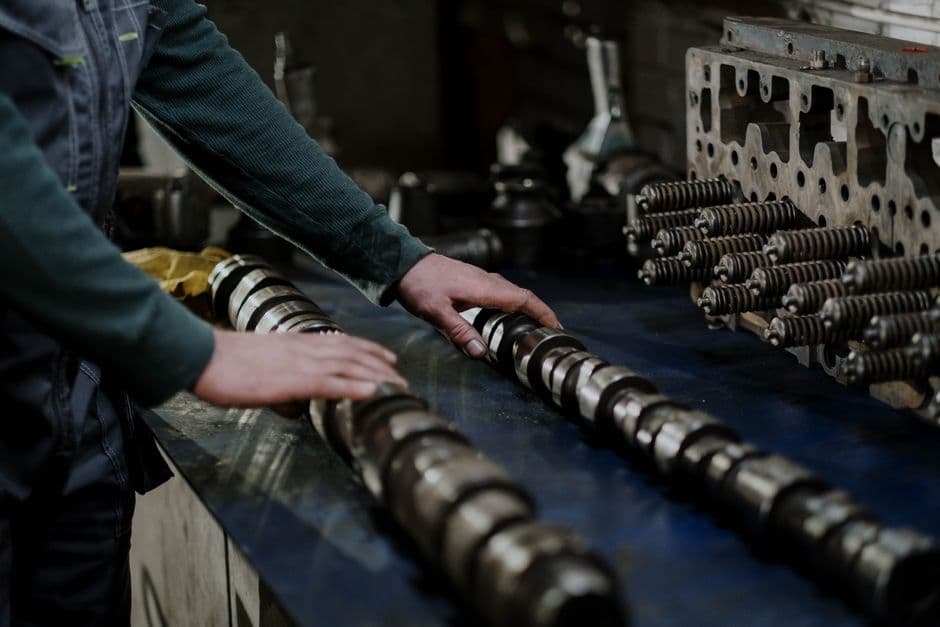
Traditional injection molding requires creating an incredibly expensive metal mold (often costing tens of thousands of dollars). However, once that mold is made, the factory can stamp out identical plastic parts in seconds for pennies.
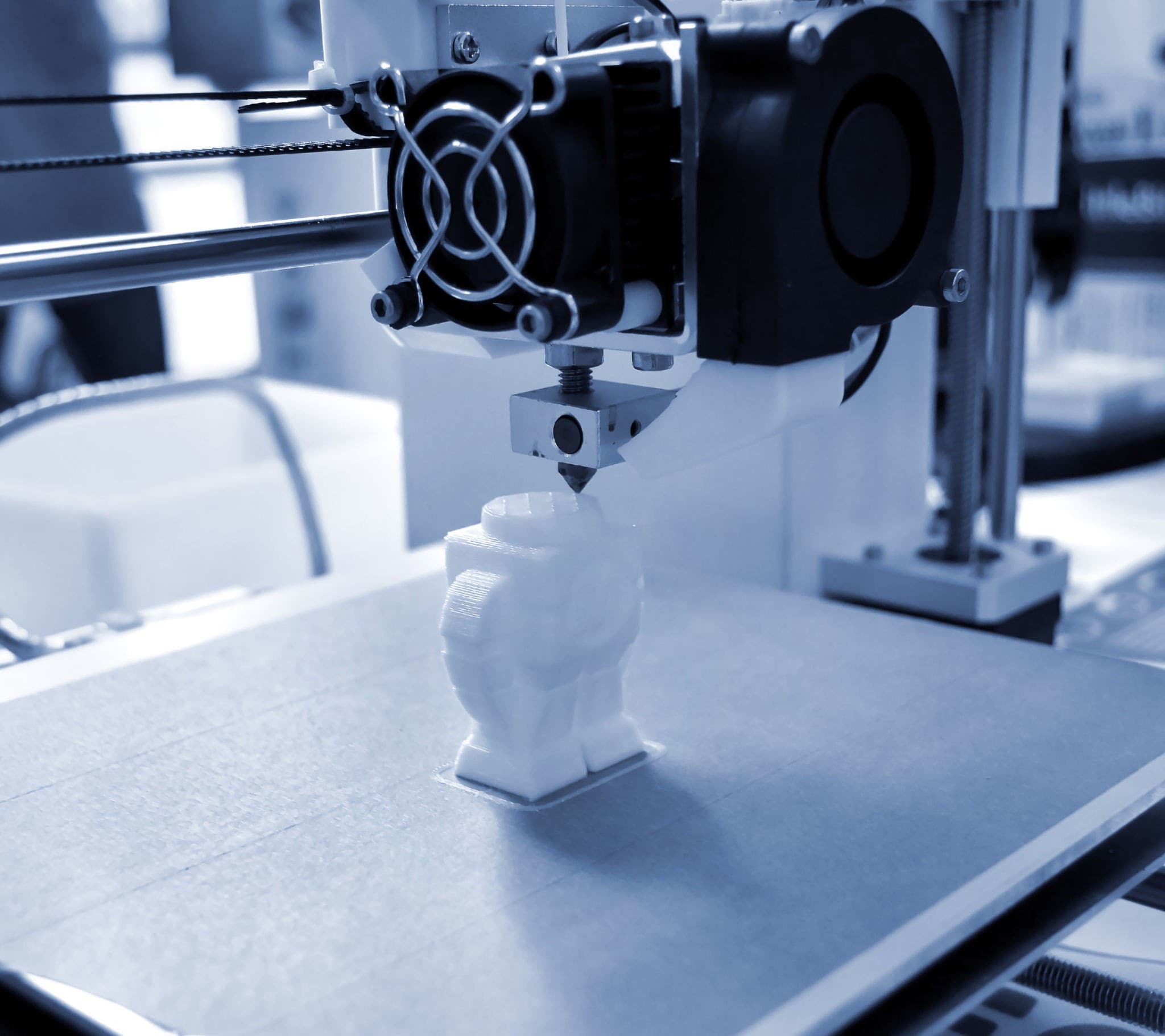
3D printing requires zero upfront mold costs. You just hit "print." However, printing that same part takes time—sometimes hours.
The Crossover Point: For small production runs (e.g., 100 to 5,000 parts), 3D printing is often cheaper and faster because you skip the mold-making phase. But if you need 500,000 identical items, traditional manufacturing still wins on pure speed and economics.
How 3D Printing is Adapting for High Volumes
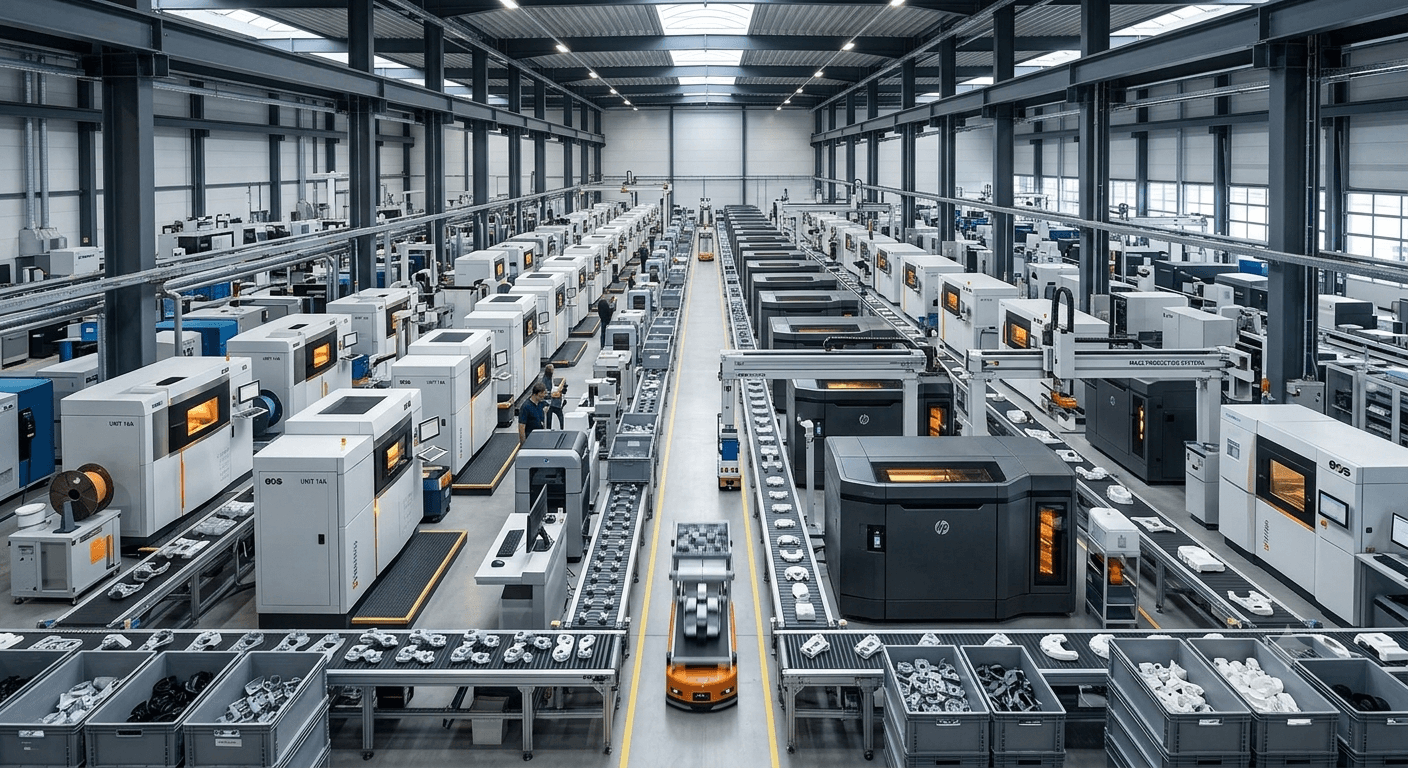
Despite the speed bottleneck, industrial companies are finding clever ways to use 3D printing at scale. They are moving away from single machines to print farms—rows of automated industrial printers working simultaneously to churn out thousands of parts at a time.
Beyond print farms, new technology breakthroughs are narrowing the gap:
- High-Speed Technologies: Newer methods like HP’s Multi Jet Fusion (MJF) or Carbon DLS (Digital Light Synthesis) don't print point-by-point. They cure entire layers of material at once using light or heat agents, making industrial printing exponentially faster than desktop alternatives.
- Automated Post-Processing: One of the biggest hurdles to scaling up was the manual labor required to clean and finish printed parts. Modern factory lines now feature robotic arms and automated washing/curing stations to clear out parts without human intervention.
Where 3D Printing Beats Traditional Mass Production
There are specific scenarios where 3D printing actually outperforms traditional factories, even at high volumes:
1. Mass Customization
This is the ultimate superpower of additive manufacturing. Traditional factories excel at making a million identical things. 3D printing excels at making a million unique things.
- Example: Invisalign aligners. Every single set of clear dental aligners must be perfectly unique to the patient's teeth. Invisalign uses massive fleets of 3D printers to manufacture hundreds of thousands of custom molds every single day.
2. Complex Geometries
Traditional molding requires parts to be simple enough to slide out of a metal mold. 3D printing has no such limits. It can build hollow lattices, internal cooling channels, and organic, complex shapes that are physically impossible to manufacture any other way.
3. Supply Chain Agility
Instead of shipping thousands of parts across the globe from a centralized factory, companies can hold digital files in the cloud. If a distribution center in another country needs 500 units of a specific spare part, they can print them locally on-demand, completely eliminating shipping times and massive warehouse storage fees.
The Verdict
Can 3D printing be used for mass production? Absolutely, but it depends on what you are making.
If you are manufacturing millions of identical plastic water bottle caps, traditional injection molding remains the undisputed king. But if your product requires customization (like medical devices), complex internal architecture (like aerospace components), or frequent design updates, 3D printing is no longer just a prototyping tool—it is a viable, high-volume manufacturing powerhouse.
Tags
3D Printing Expert
Expert in advanced 3D printing and rapid prototyping with years of experience in the engineering sector. Passionate about sharing insights on additive manufacturing, industrial design, and material innovation.
More Insights
Discover more articles and tips about 3D printing and engineering