what is 3d printing
3D printing creates custom parts layer by layer, enabling rapid prototyping, precision manufacturing, and cost-effective production.
Share Article
What is 3D Printing? A Beginner’s Guide to Additive Manufacturing
Imagine being able to design an object on your computer and watch it materialize right in front of your eyes as a physical, solid object. It sounds like science fiction, but it is exactly what 3D printing does every single day.
Whether you want to print a custom phone case, a replacement part for a broken appliance, or even a prototype for a new product, 3D printing makes it possible. But how exactly does it work, and why is it changing the world? Let's break it down.
What Exactly is 3D Printing?
At its core, 3D printing—technically known as additive manufacturing—is a process of making three-dimensional solid objects from a digital file.
The word "additive" is the key to understanding how it works:
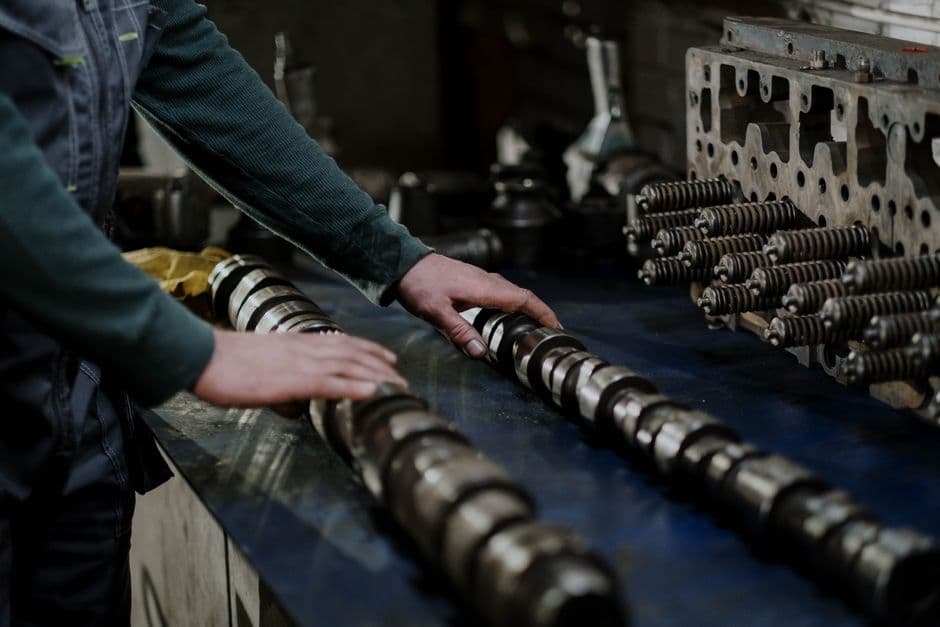
- Traditional manufacturing (Subtractive): Think of a sculptor carving a statue out of a block of marble. You start with a big piece of material and cut away what you don't need. This creates a lot of waste.
- 3D Printing (Additive): A 3D printer does the exact opposite. It builds the object from the ground up, laying down ultra-thin material layer by layer until the final product is complete.
How Does the Process Work?
Going from an idea in your head to a physical object in your hand involves three basic steps:
1. The Digital Blueprint (CAD)
Every 3D print starts with a digital 3D model. You can create this yourself using CAD (Computer-Aided Design) software, or you can simply download pre-made designs from massive online communities like Thingiverse or Printables.
2. Slicing the Model
Once you have your 3D model file, you run it through a specialized program called a slicer. The slicer translates your 3D design into instructions the printer can understand. It literally cuts the digital model into thousands of flat, horizontal layers and generates a file (called G-code) that tells the printer exactly where to move, how fast to go, and where to drop the material.
3. The Print Phase
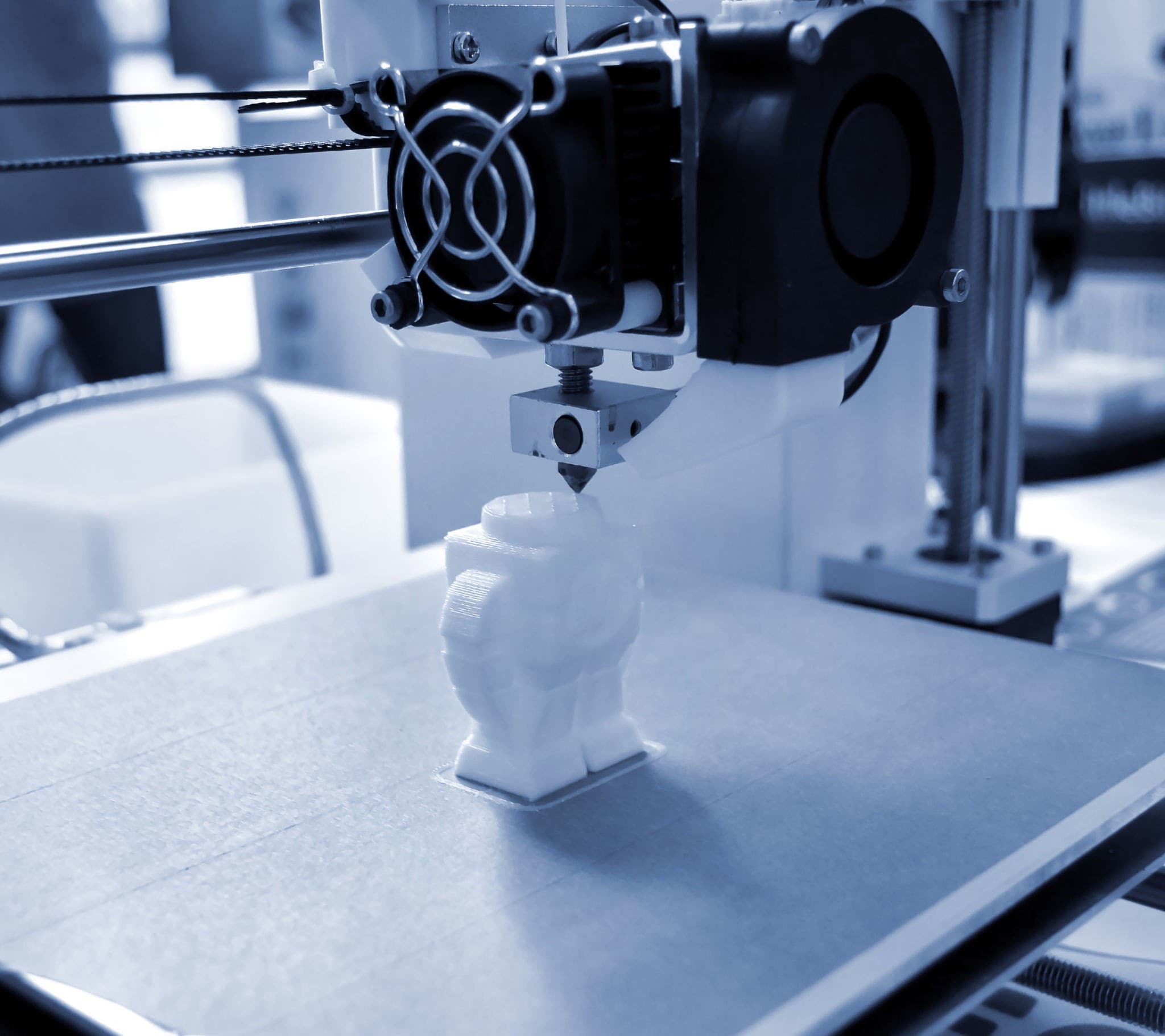
The printer reads the G-code and gets to work. The print head moves precisely along an X, Y, and Z axis, extruding material onto a build plate. As each layer is laid down, it instantly bonds with the layer underneath it. The printer repeats this process dozens, hundreds, or thousands of times until the object is finished.
Common Types of 3D Printing Technologies
While there are many different types of 3D printers, the two you will encounter most frequently are:
- FDM (Fused Deposition Modeling): This is the most common and affordable type of 3D printer, especially for hobbyists. It works like a highly precise, automated hot glue gun. It melts a spool of plastic string (called filament) and pushes it through a hot nozzle to build the object.
- SLA (Stereolithography): Instead of melting plastic filament, SLA printers use a vat of liquid, light-sensitive resin. A UV laser shines into the liquid, curing and hardening it layer by layer to pull a solid object out of the liquid. SLA printing is famous for creating incredibly detailed prints with smooth surfaces, making it popular for miniatures, jewelry, and dental molds.
Real-World Applications: How It’s Used Today
3D printing isn't just for toys and trinkets. It is actively revolutionizing major global industries:
- Healthcare: Doctors use 3D printing to create custom-fit prosthetics, dental implants, and even exact replicas of a patient's organs so surgeons can practice complex surgeries before making an incision.
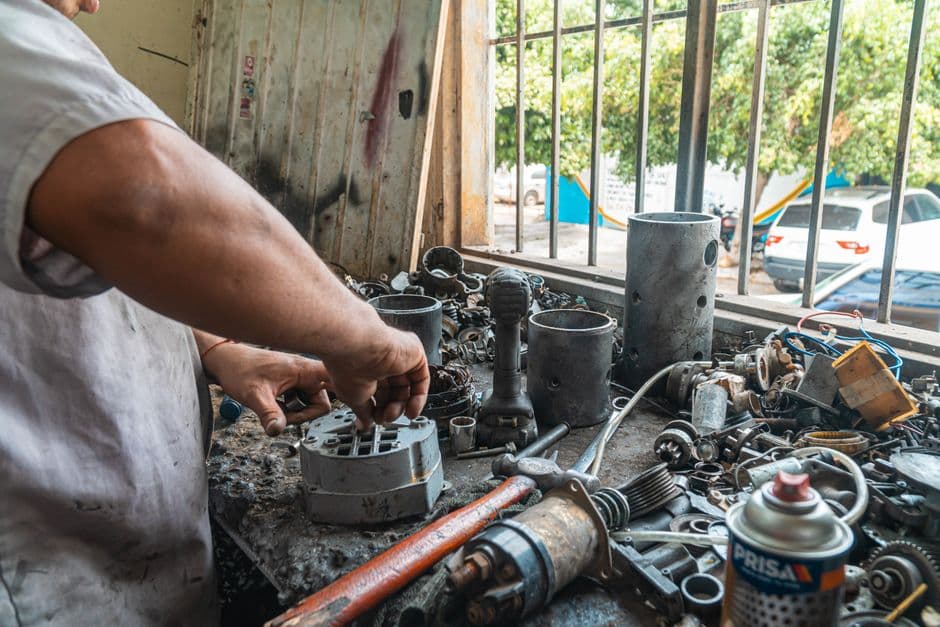
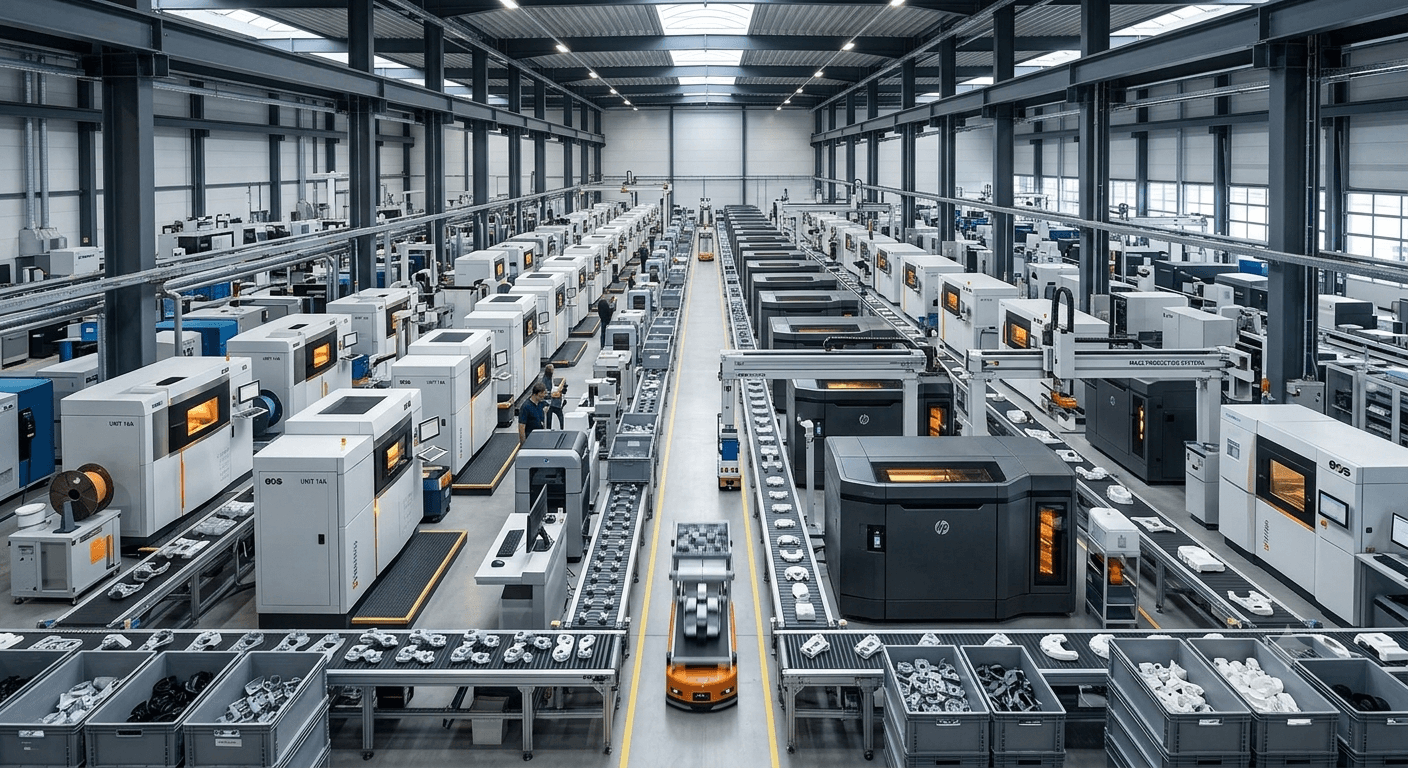
- Aerospace & Automotive: Companies like SpaceX and Boeing 3D-print high-strength metal engine parts. Because additive manufacturing only puts material where it is structurally needed, parts can be made significantly lighter, saving massive amounts of fuel.
- Architecture & Construction: Giant, industrial-scale 3D printers are now using quick-drying concrete to print the walls of entire houses in under 24 hours, drastically reducing construction costs.
Tags
3D Printing Expert
Expert in advanced 3D printing and rapid prototyping with years of experience in the engineering sector. Passionate about sharing insights on additive manufacturing, industrial design, and material innovation.
More Insights
Discover more articles and tips about 3D printing and engineering