3D Scanning Use Cases: How Different Industries Use It
3D scanning is used across industries — from reverse engineering to quality inspection. See how automotive, aerospace, medical, and construction sectors use it.
Share Article
3D scanning used to be a niche tool for research labs and high-end aerospace companies. Not anymore. Today it's used on factory floors, hospitals, construction sites, and car workshops — anywhere someone needs to capture the exact shape of a real object and turn it into digital data.
Here's how different industries actually use it.
Manufacturing and Reverse Engineering
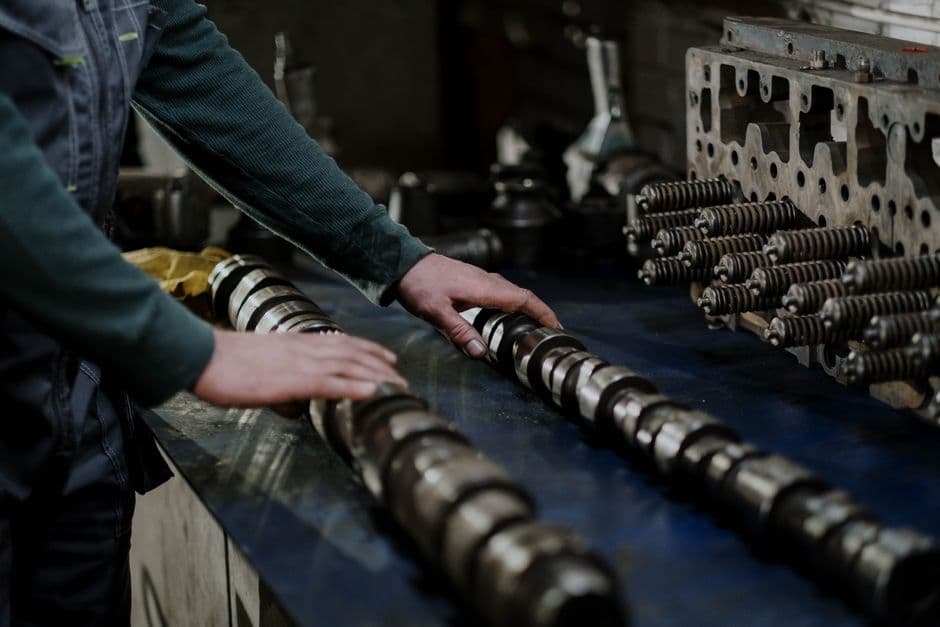
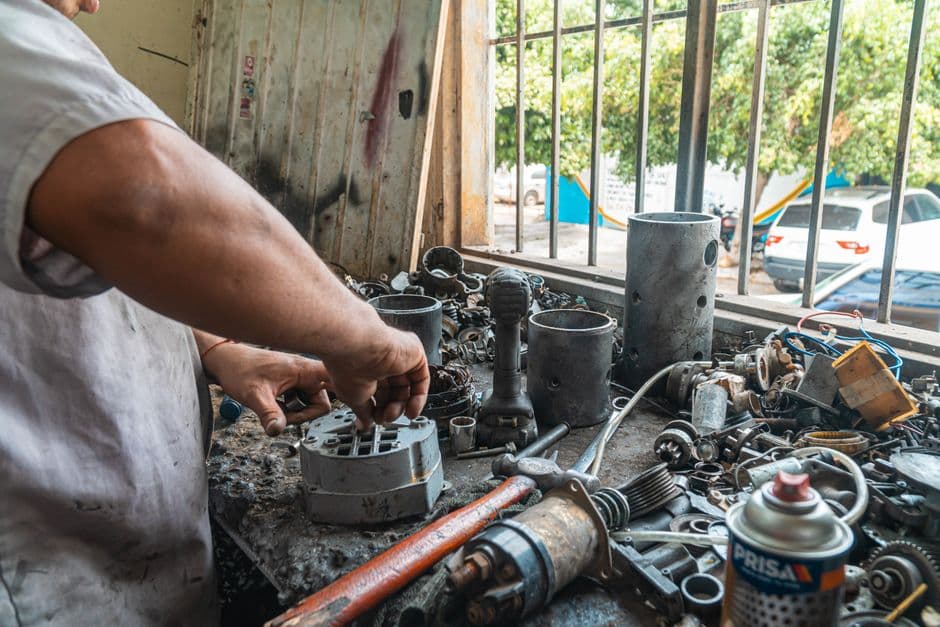
This is the most common use. When a part breaks and there's no drawing available, a 3D scan captures its exact geometry so it can be rebuilt in CAD and manufactured again. It's also used to check if a finished part matches its original design — comparing the scanned part against the CAD model to catch defects before they cause problems.
Automotive
Car manufacturers and repair shops use 3D scanning to reverse engineer discontinued parts, especially for older or classic vehicles where the original manufacturer no longer supports the model. It's also used in custom car body work, where a scan of the vehicle helps design panels and parts that fit perfectly.
Aerospace
Aircraft parts often need to meet extremely tight tolerances, and many aircraft stay in service for decades. 3D scanning is used to inspect parts for wear, verify that replacement components meet the original specification, and reverse engineer components when the original supplier is no longer available.
Construction and Architecture
Scanning existing buildings and structures — called "as-built" scanning — lets architects and engineers get an accurate digital model of a site before renovation or expansion. This avoids the errors that come from relying on old drawings that may not match what was actually built.
Medical and Healthcare
3D scanning is used to create custom-fit medical devices, such as prosthetics, orthotics, and dental appliances. A scan of a patient's body part gives an exact digital shape, which is then used to design a device that fits that specific person, rather than a generic size.
Heavy Equipment and Machinery
Mining, oil and gas, and industrial plants run large machines with parts that are expensive and slow to replace. Scanning worn or damaged parts allows plants to reverse engineer and manufacture replacements locally, cutting downtime significantly compared to ordering from the original supplier.
Product Design and Prototyping
Designers use 3D scanning to digitize physical models, sculpts, or existing products, then refine them in CAD. This is common in consumer product development, where a physical prototype is scanned and turned into a manufacturing-ready digital file.
Quality Control and Inspection
Beyond building new parts, 3D scanning is widely used just to check accuracy. A scanned part can be directly compared against its original CAD model, with color-mapped reports showing exactly where the manufactured part deviates from the design — useful for catching manufacturing defects early.
The Common Thread
Across all these industries, the reason is the same: 3D scanning turns a physical object into accurate digital data, fast. Whether the goal is replacing a broken part, checking quality, or designing something custom, it removes the guesswork that comes with manual measurement.
Not sure if 3D scanning fits your specific case? Contact us and we'll tell you honestly whether it's the right tool for the job.
Tags
3D Printing Expert
Expert in advanced 3D printing and rapid prototyping with years of experience in the engineering sector. Passionate about sharing insights on additive manufacturing, industrial design, and material innovation.
More Insights
Discover more articles and tips about 3D printing and engineering