
How to Reverse Engineer an Obsolete Spare Part in Saudi Arabia
How Saudi facilities use reverse engineering and 3D scanning to replace obsolete, discontinued, or undocumented spare parts — without waiting weeks on overseas suppliers.
Share Article
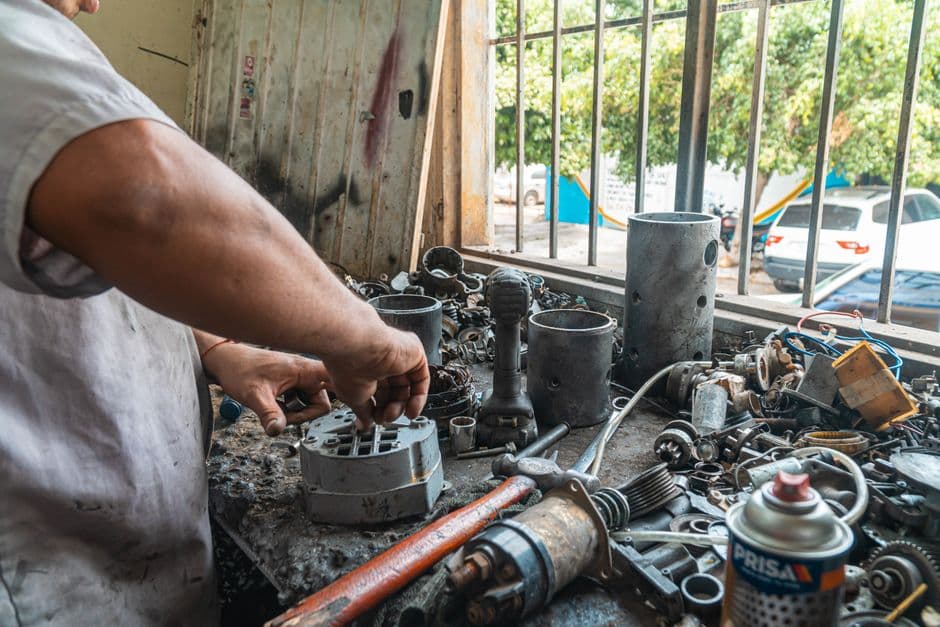
An engineer holds a cracked bracket in his hand. The machine it came from has been running since the early 2000s. The manufacturer stopped making that part a decade ago. A quick search shows the supplier itself shut down years back. This isn't a rare situation — it's a routine one in Saudi industrial facilities running legacy equipment.
The old approach was to search for a compatible substitute, or place a custom order and wait. Both options are slow and often unreliable. Reverse engineering offers a faster, more accurate third option.
Step 1: Capture the Part Digitally
The process starts with 3D scanning the physical part. A scanner records thousands of measurement points across its surface, producing a highly accurate digital copy of its actual shape — including any wear, damage, or distortion the part has picked up over the years.
Step 2: Build a Clean CAD Model
Raw scan data isn't usable on its own — it's just a cloud of points. An engineer converts this into a proper CAD model, cleaning up the geometry and separating real design features from scan noise or physical damage.
Step 3: Restore the Original Design Intent
This is the step that separates a good reverse-engineering job from a poor one. A worn part isn't the same as a new part — edges round off, holes stretch, surfaces wear down. A skilled engineer has to recognize what the part looked like when it left the factory, not just copy the damage.
Step 4: Confirm Material and Function
Getting the shape right isn't enough. The material, hardness, surface finish, and how the part interacts with mating components all matter. This step often involves basic material testing or matching against known industry standards for that type of component.
Step 5: Manufacture and Test-Fit
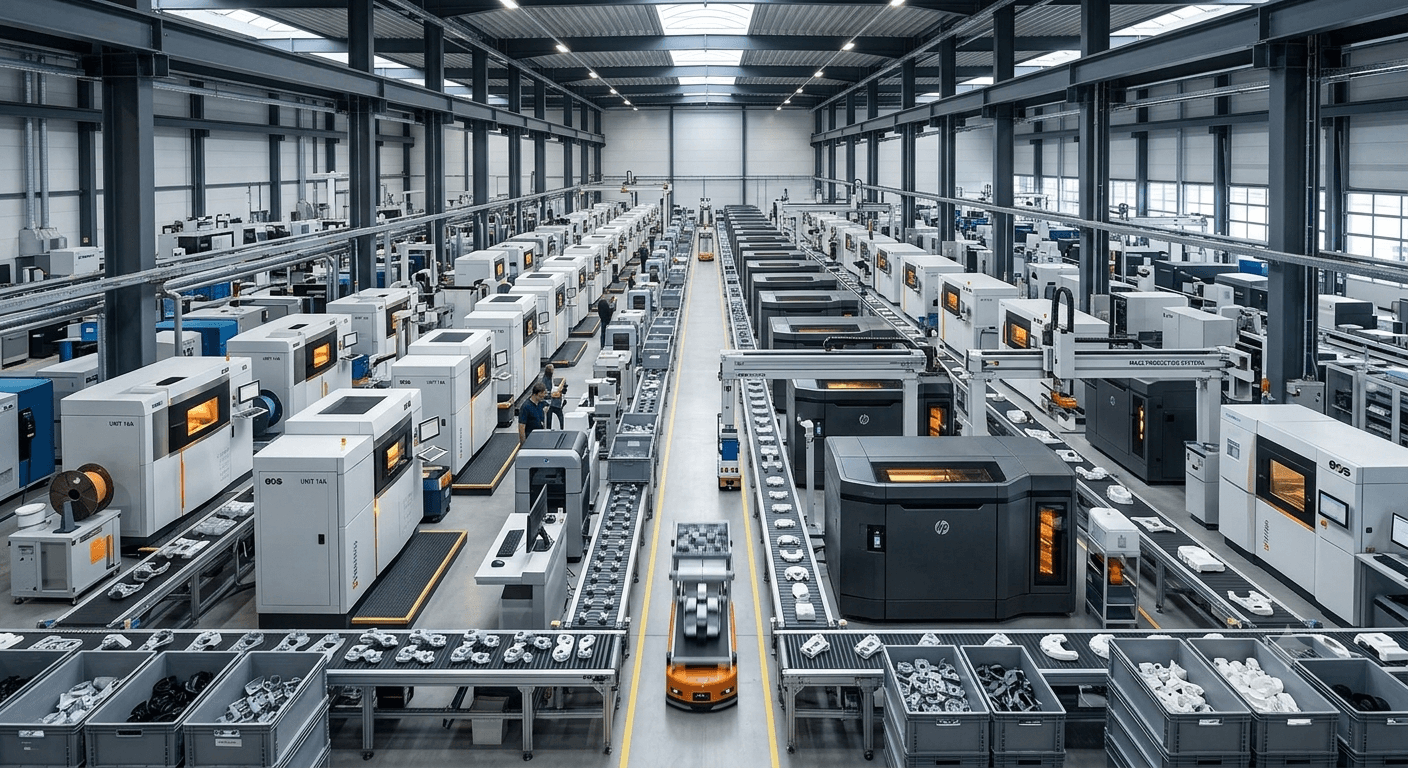
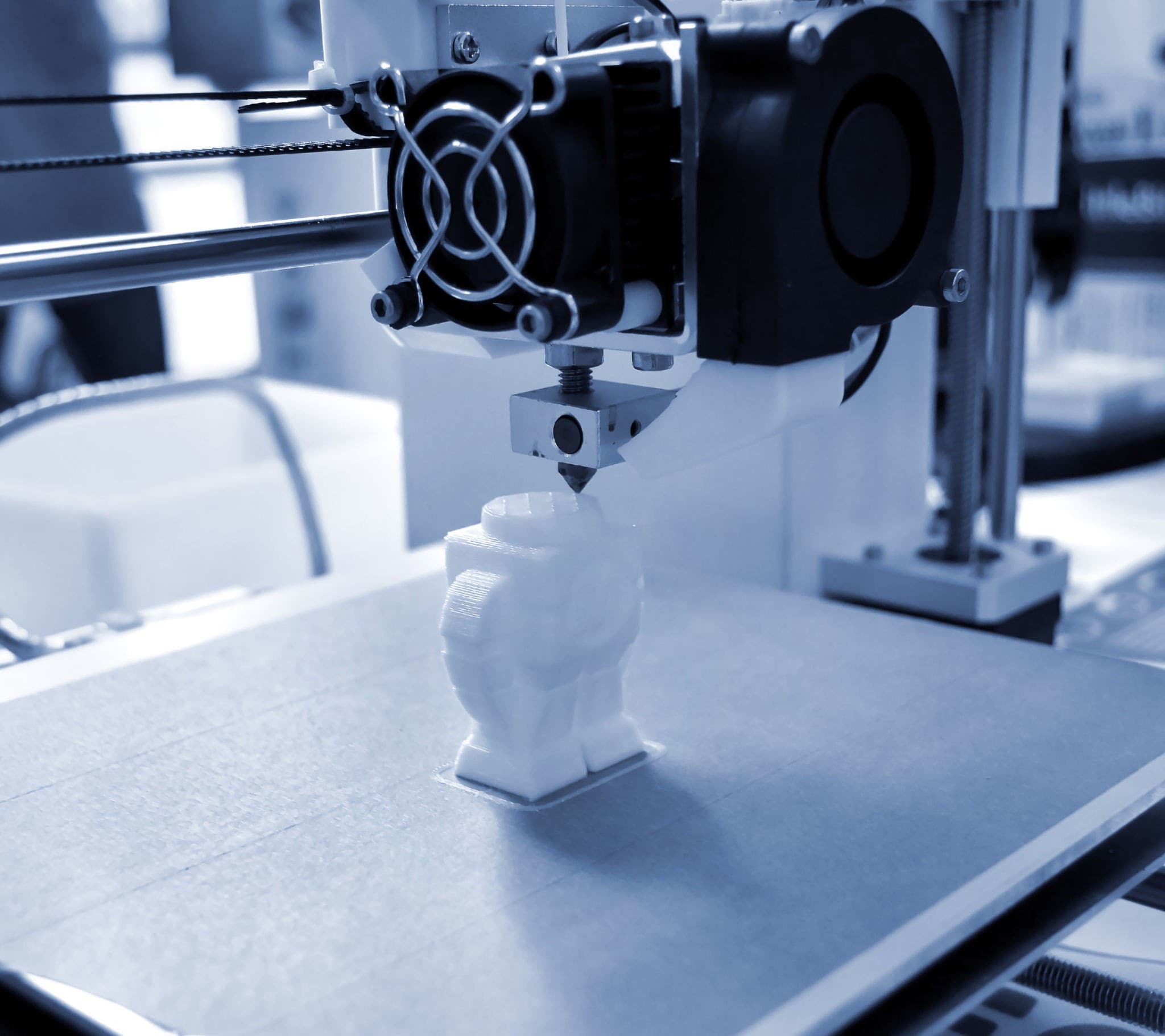
With a verified digital model, the part can be produced through CNC machining, casting, or 3D printing, depending on the material and quantity required. Before full production, a test part is usually checked against the original assembly to confirm fit and function.
Why Saudi Facilities Specifically Face This Problem
Three things make this a recurring issue locally:
Import dependency — a large share of industrial parts historically came from Europe, the US, or East Asia, and getting a single replacement shipped can take over a month.
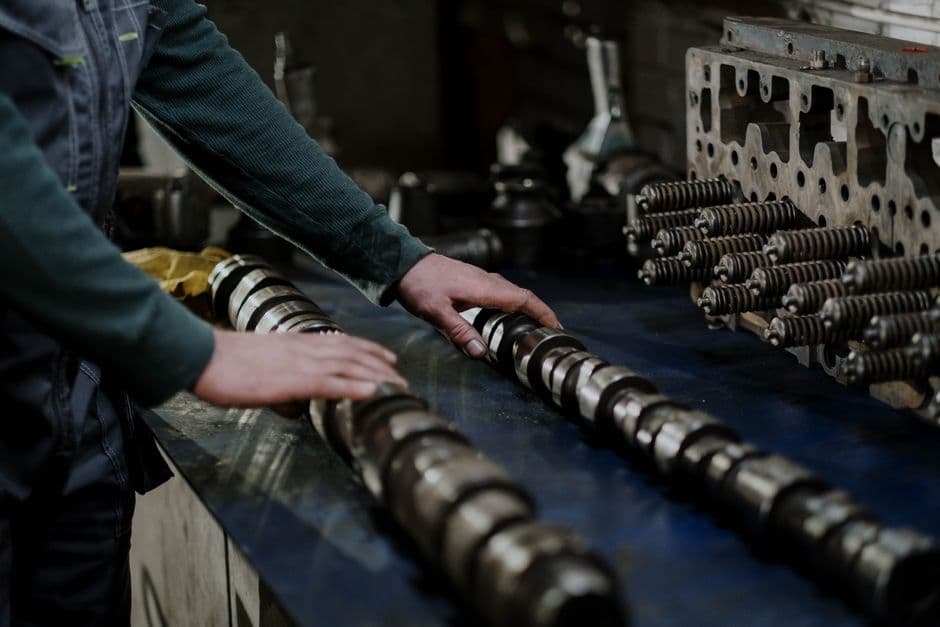
Old equipment still in service — plants in oil and gas, mining, and heavy manufacturing often keep machinery running well beyond its typical support lifespan.
Vanished suppliers — original manufacturers of older equipment sometimes no longer exist, leaving no official source for parts at all.
Downtime on a production line isn't a minor cost — it compounds every hour. Reverse engineering shortens the path back to running condition from weeks to days, because the part gets made close to where it's needed instead of shipped from overseas.
Is It Always Worth Doing?
Not always. It generally makes sense when the part is genuinely obsolete, when no drawings exist, or when multiple units are needed so the tooling cost is spread out. For a one-off part still available from a supplier at a reasonable lead time, ordering the original may still be simpler.
Final Word
A broken, undocumented part doesn't have to mean weeks of downtime. Scan it, rebuild the model correctly, confirm the material, and manufacture it locally. The process takes days, not weeks — and often produces a part that performs as well as, or better than, the original.
Have a part that needs reverse engineering? Contact us to find out if it's the right fit for your case.
Tags
3D Printing Expert
Expert in advanced 3D printing and rapid prototyping with years of experience in the engineering sector. Passionate about sharing insights on additive manufacturing, industrial design, and material innovation.
More Insights
Discover more articles and tips about 3D printing and engineering