
How to Reverse Engineer a Part: Fixing Obsolete Spare Parts in Saudi Arabia
How Saudi facilities use reverse engineering and 3D scanning to replace obsolete or discontinued spare parts, without waiting weeks on overseas suppliers.
Share Article
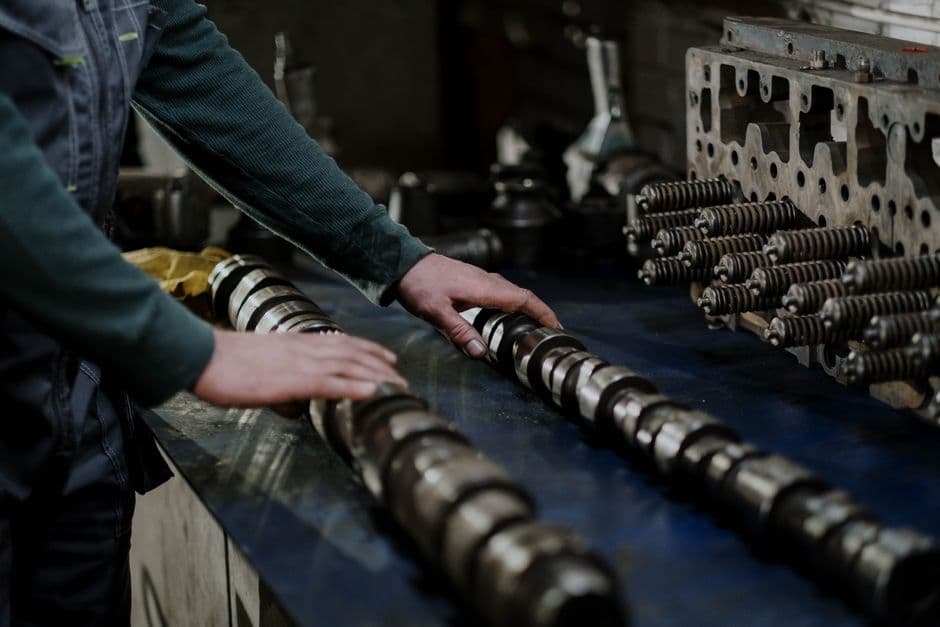
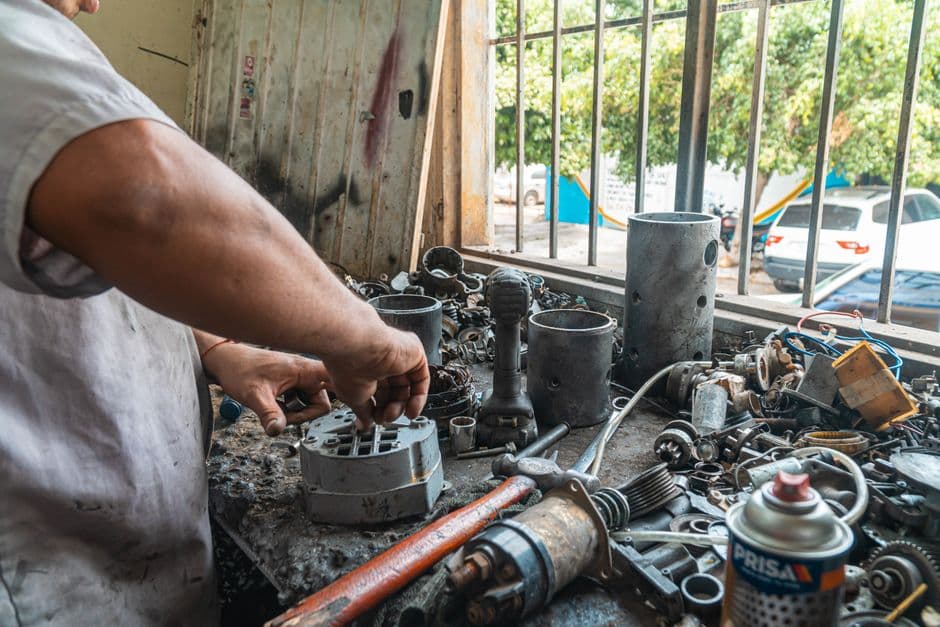
A machine breaks down. The part that failed was made by a supplier that no longer exists, or the manufacturer stopped making that model years ago. No drawing. No CAD file. No spec sheet. Just a broken piece of metal or plastic in your hand.
This happens constantly in Saudi Arabia's industrial sector — in oil and gas, petrochemicals, construction equipment, and manufacturing plants running machines that are 15, 20, even 30 years old. The original part is obsolete. The supplier is gone. And the plant is losing money every hour the line is down.
Reverse engineering solves this problem. Here's how it works, and why it matters for Saudi facilities specifically.
What "Reverse Engineering a Part" Actually Means
Reverse engineering is the process of taking a physical object and working backward to recreate its exact design — dimensions, tolerances, material, and function — without the original drawings.
The basic steps:
Scan the part. A 3D scanner captures the exact shape and dimensions of the broken or worn part, down to fractions of a millimeter.
Convert to CAD. The scan data (a "point cloud" or mesh) is turned into a clean, editable 3D model using CAD software.
Verify and correct. If the original part was worn out or damaged, the engineer corrects the model to reflect what the part looked like when new — not the damaged version.
Check material and tolerances. The right material, hardness, and fit tolerances are identified so the replacement performs the same as the original.
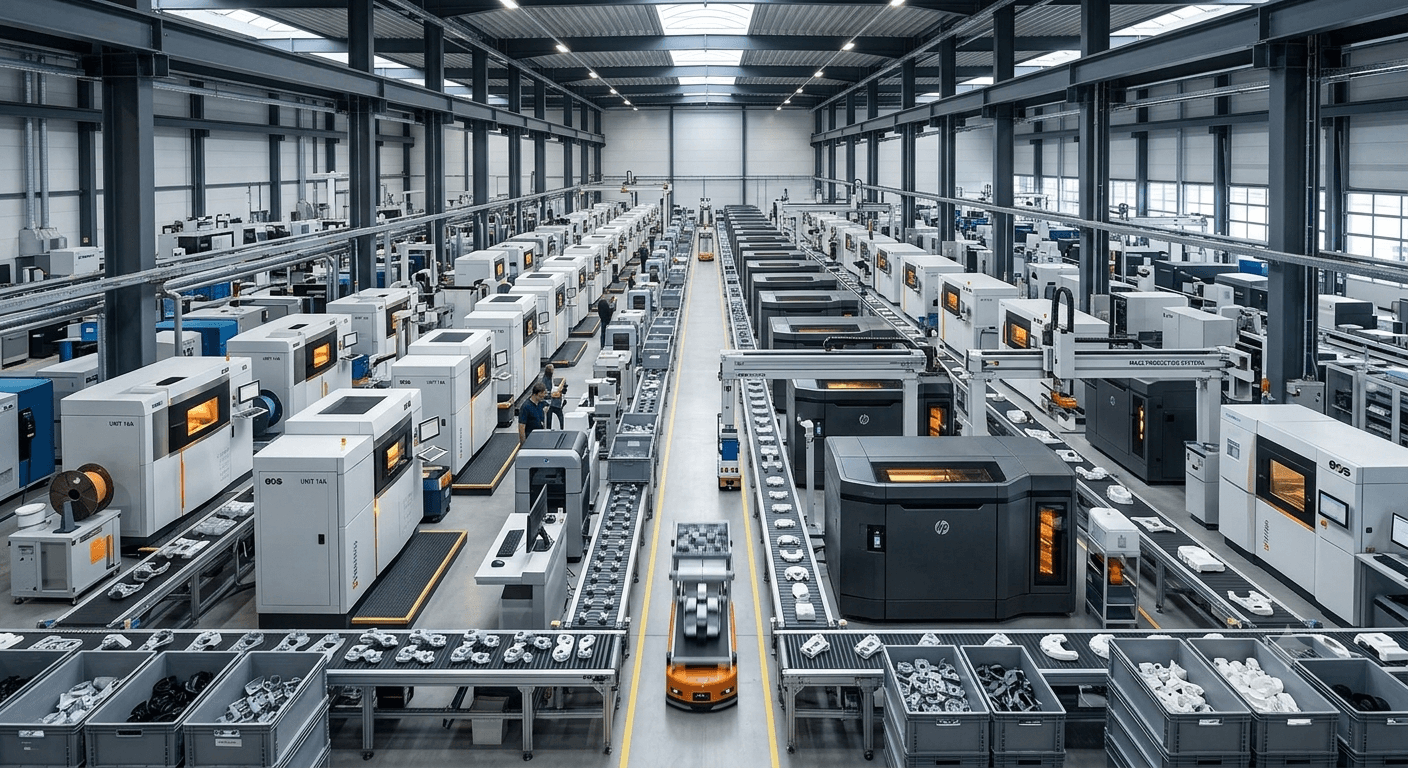
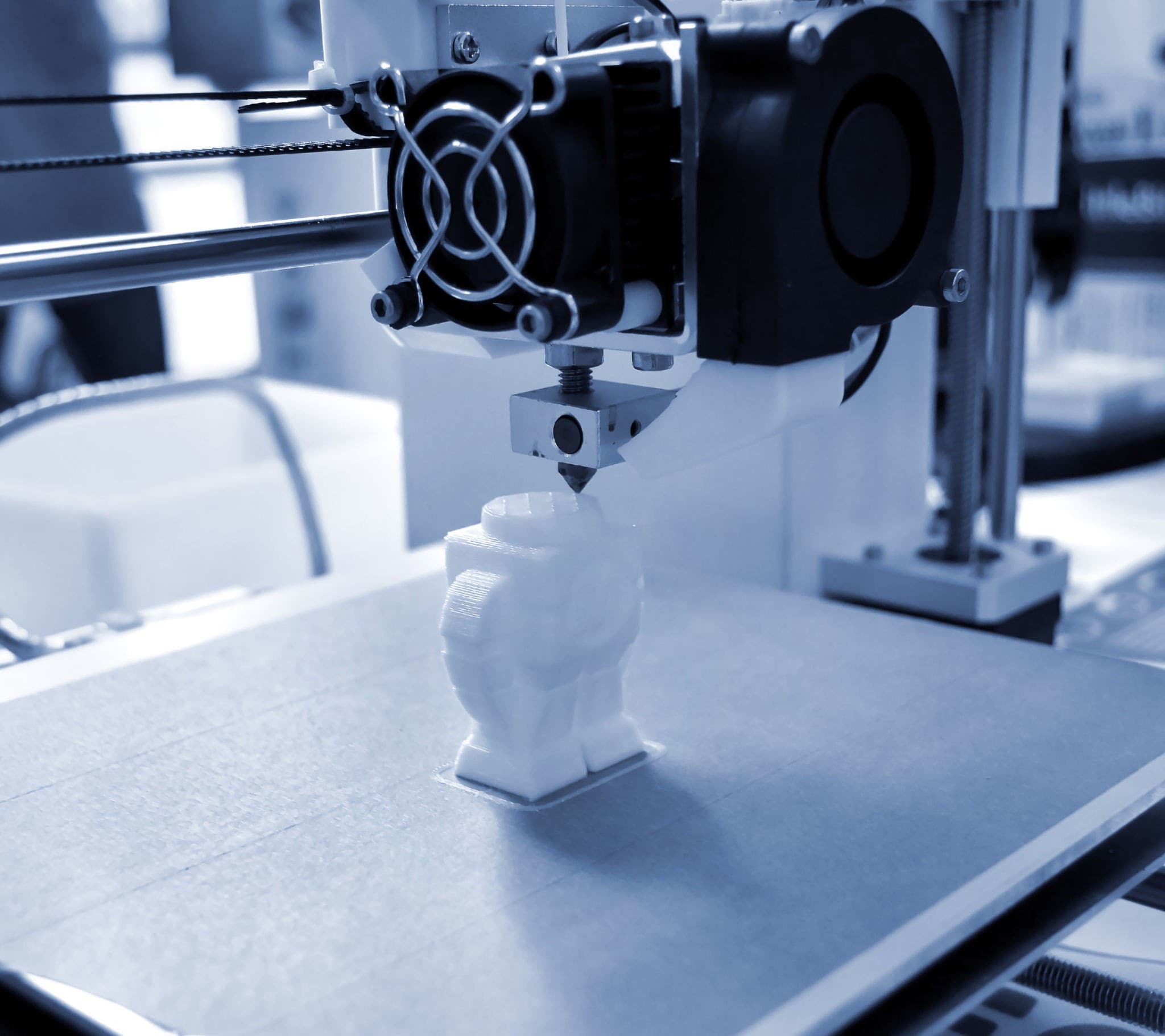
Manufacture. The new part is produced using CNC machining, 3D printing, or casting, depending on the part and quantity needed.
The result is a replacement part that fits and functions exactly like the original — sometimes better, since defects in the old design can be corrected in the process.
Why This Is a Bigger Deal in Saudi Arabia Than Elsewhere
Three factors make this especially relevant here:
Long supply chains. Many original parts come from Europe, the US, or Japan. Ordering a replacement can mean 6–12 weeks of waiting, customs delays included.
Aging industrial base. Saudi Arabia has a large base of older equipment in oil and gas, mining, and manufacturing — machines still running well past the manufacturer's support window.
Discontinued suppliers. Some original equipment manufacturers have gone out of business, merged, or simply stopped supporting old product lines. There's no one left to call.
For a facility running 24/7, a few weeks of downtime isn't just inconvenient — it's a direct hit to production and revenue. Reverse engineering turns a multi-week wait into a multi-day (sometimes multi-hour) turnaround, because the part is made locally instead of imported.
When Reverse Engineering Makes Sense
Not every broken part needs this treatment. It makes sense when:
The part is obsolete or the supplier no longer exists
Lead time from the original source is too long for the plant to tolerate
No drawings or specs are available
The part is custom or was modified from the original design over the years
Multiple identical parts are needed, making local manufacture cost-effective
What Accuracy to Expect
Modern 3D scanning for industrial parts typically achieves accuracy in the range of 0.02–0.05 mm, which is precise enough for most mechanical fits, bearings, and structural components. For parts with tight tolerances — seals, gears, precision-fit components — additional manual verification and dimensional inspection is done before manufacturing, not just the raw scan.
The Bottom Line
If a critical machine is down because of a part nobody makes anymore, reverse engineering isn't a workaround — it's often the fastest and most reliable path back to production. Scan the part, rebuild the model, verify the fit, manufacture locally.
Have a part that needs reverse engineering? Contact us to discuss your specific case.
Tags
3D Printing Expert
Expert in advanced 3D printing and rapid prototyping with years of experience in the engineering sector. Passionate about sharing insights on additive manufacturing, industrial design, and material innovation.
More Insights
Discover more articles and tips about 3D printing and engineering